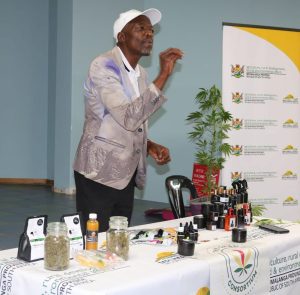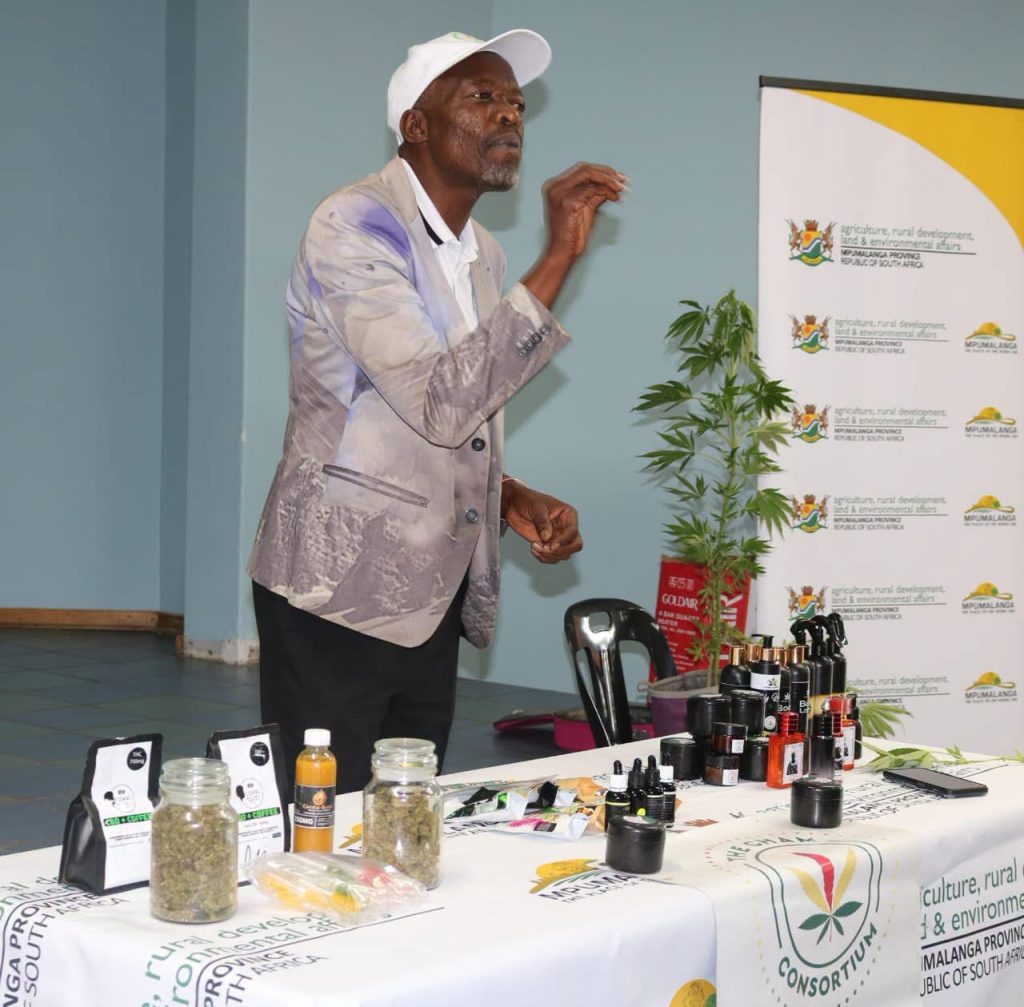
Pic: A rep Explaining some of the products produced
By Lwazi Raul-Shongwe
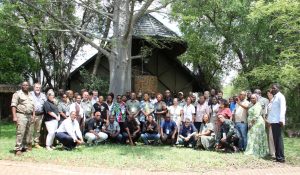
The gathering, spearheaded by the Mpumalanga DARDLEA (Department of Agriculture, Rural Development, Land and Environmental Affairs), reportedly aimed to address the legal requirements, opportunities and responsibilities of hemp and cannabis production.
“A hemp license is required from anyone who produces it, and the DARDLEA is assisting those interested in Cannabis production in obtaining the permits, subject to set conditions,” DARDLEA said.
Their shared mission was apparently to bridge the gap between grassroots agricultural ambition and strict regulatory compliance.
Beyond the soil, participants were introduced to the sheer scale of the industrial hemp market.
Far removed from illicit street trade, the legal hemp value chain reportedly already boasts over a thousand tested and approved consumer goods, ranging from everyday essentials like coffee, juices, and sweets to high-value cosmetics, skin products, hair care, perfumes, and wellness oils.
For communities grappling with unemployment, those products represent tangible jobs in farming, processing, packaging,
To make sure emerging farmers don’t walk the road alone, attendees were encouraged to join a local Hemp Production Study Group, a peer-to-peer network, designed for growers to share technical knowledge, troubleshoot crop challenges, and pool resources.
At the same time, both DARDLEA and SAPS reportedly drew a firm line between commercial agriculture and substance abuse.
Addressing community concerns head-on, officials are said to have stressed that opening the door to legal farming is not an endorsement of recreational use, particularly among the youth.
Farmers left the Elukwatini Environmental Centre with permit guidelines in hand and new study groups forming, and with the right regulations, support, and community buy-in, hemp is shedding its taboo to become one of Mpumalanga’s most promising crops.