Mpumalanga Health Department Targets Zero Malaria Transmission

By Kopano Dibakwane
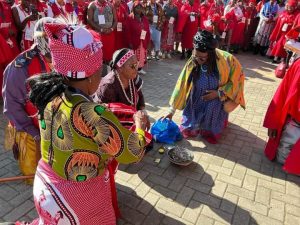
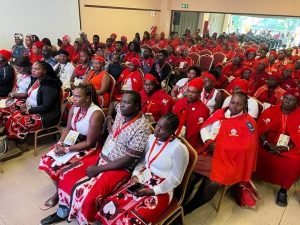
More than 700 traditional health practitioners from across the province joined the MEC for health in Mpumalanga, Sasekani Manzini, to commemorate World Malaria Day, in an event held at Nutting House, Mbombela on 2 May.
The MEC was accompanied by Bridget Shandukani from the national health department, MMC’s Million Shongwe and Phindile Mbowane, senior managers led by HOD (head of department) Dr LK Ndlovu from the provincial health department.
The day was observed under the theme; ” Time to deliver Zero Malaria: invest, innovate, implement”. The department revealed that it aims to attain Zero local transmission by fostering partnerships with traditional health practitioners and other health care partners.
In her keynote address, MEC Manzini said that Mpumalanga has managed to reduce Malaria local transmission from 4244 during the 2017/2018 financial year to 335 during the 2022/2023 financial year, which is a decrease of about 78%.
” The majority of extremely poor communities are affected by Malaria, which is a vector-borne disease spread by the bite of female Anopheles mosquito, especially among the poorest people living in rural areas.
” During the 2022/2023 financial year the province has reported 2243 total Malaria cases with only 12 deaths. 98% of the total cases are reported from Ehlanzeni, while Nkangala and Gert Sibande are only reporting import cases,” said Manzini.
She explained the signs and symptoms to look out for, which include; headache, fever, cold shiver and hot sweats, muscle pain. She encouraged traditional health practitioners to take note of the signs and symptoms, as well as their patient care mythodology and to refer the patients to the nearest health facility for testing.
According to Manzini, the department of health is working together with stakeholders such as community leaders, municipalities and farming communities. She also highlighted formal cross border collaboration initiatives with neighbouring countries (Mozambique and Swaziland) to eliminate the disease.
” To reduce the health burden and promote disease prevention, early diagnosis, treatment and management, it’s imperative that we must work together and make co-operative efforts. Together, let us invest in innovation and undertake cooperative health service initiatives to eradicate local Malaria,” said Manzini.
Distribution of Malaria cases and deaths per districts:
* Ehlanzeni – 2198 cases and 11 deaths
* Gert Sibande – 19 cases and 1 death
* Nkangala – 26 cases and 0 death
Distribution of cases and per sub-district
* Nkomazi – 1340 cases
* City of Mbombela – 491 cases
* Bushbuckridge – 288 cases
* Thaba Chweu – 79 cases
Distribution of Malaria deaths in the province
* Gert Sibande ( Lekwa sub-district = 1)
* Bushbuckridge sub-district = 5
* City of Mbombela sub-district = 3
* Nkomazi sub-district= 2
* Thaba Chweu = 1