By Lwazi Raul-Shongwe & Kopano Dibakwane
The Kruger National Park’s approach to managing fires through controlled burns and advanced technology is a great example of proactive conservation.
The KNP(Kruger National Park) is implementing management burns during the winter fire season, which usually starts from June to October, and this natural and vital process is credited for shaping the savanna ecosystem in the KNP for millennia.
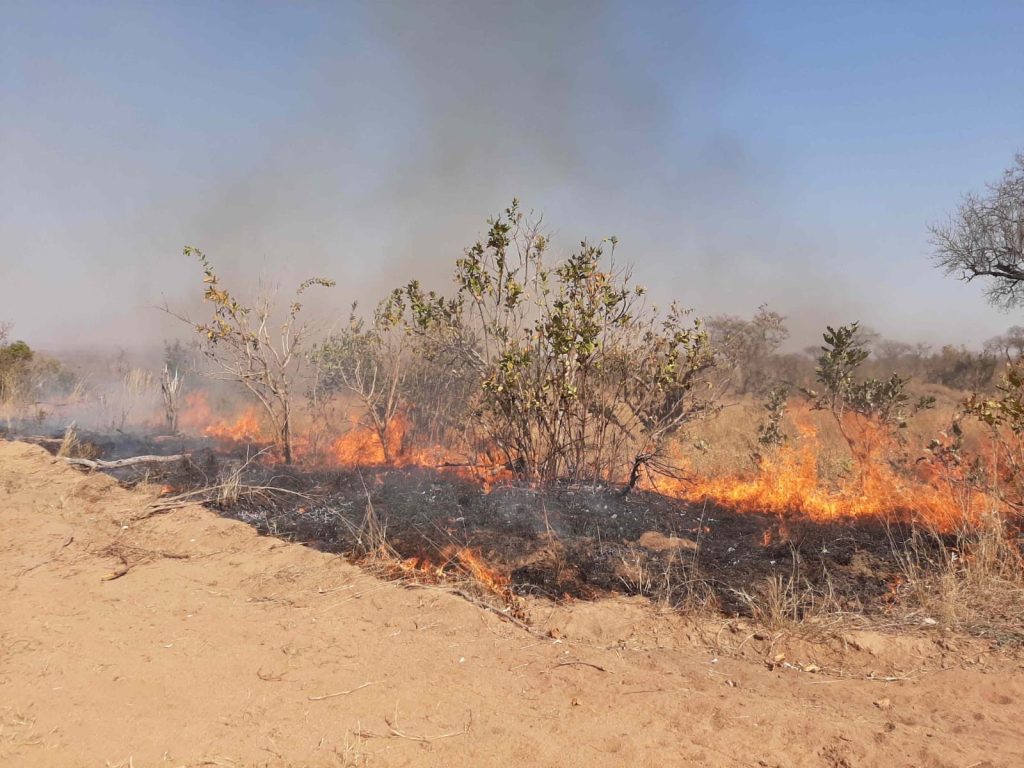
KNP Communications and Marketing Manager, Isaac Phaahla, said the controlled burns have contributed immensely towards supporting and maintaining a healthy savanna ecosystem and its diverse wildlife, whereby plants and animals have evolved with fire in the environment.
“ Animals such as impala, buffalo, zebra, and warthog, congregate on recently burned areas to ear on the fresh, green grass regrowth which is highly nutritious. In the Kruger, sufficient grass cover is needed to support a fire. This is influenced by the amount of rain that the park has received in the previous summer seasons.
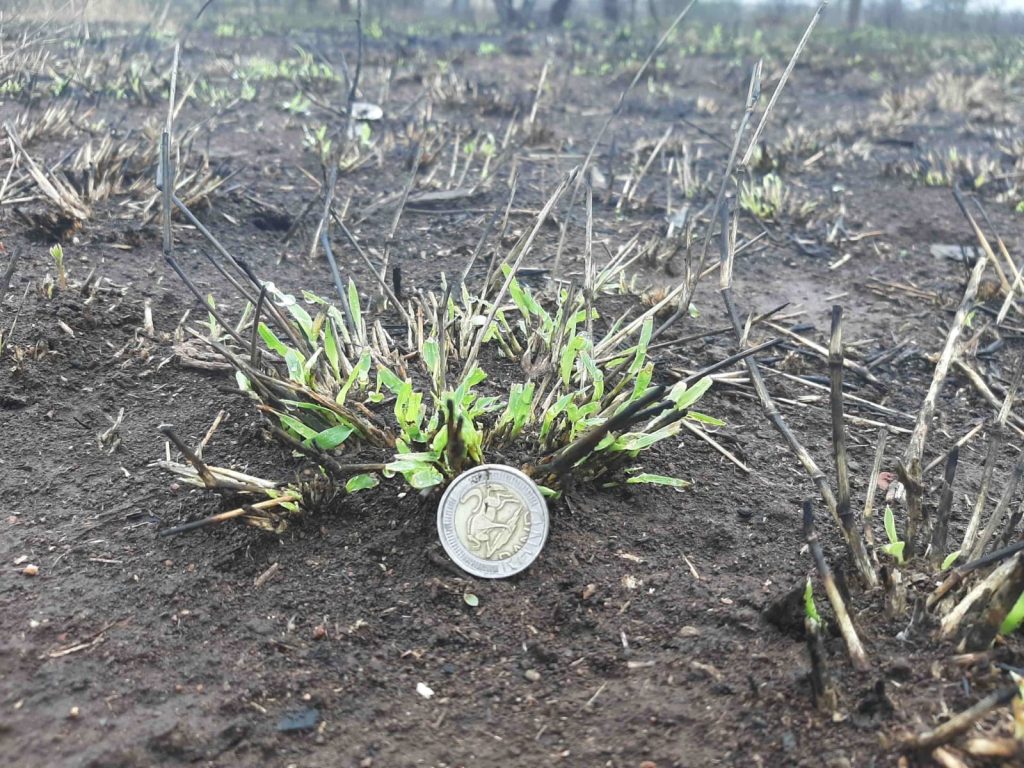
“ When the park receives ample rain, more grass growth occurs which leads to more areas burned during the fire season. Following the exceptional rainfall experienced across much of the park during the 2024-2025 summer, there has been substantial grass growth in many parts of the Kruger, which could lead to more area burned compared to last year,” said Phaahla.
Field reports from Rangers and advanced satellite mapping technology are reportedly used to continuously monitor fire activity in the KNP.
“ For the last few months, Kruger officials began with proactive fire management as well as other members in the region who form part of the Greater Kruger Fire Protection Association. A key strategy involves proactive controlled burns applied by Kruger Rangers early in the dry season. The Rangers apply these controlled fires for ecological as well as fire safety reasons.
“ This approach helps break up the grass coverage (fuel load), which reduces the risk of larger, uncontrolled wildfires later in the dry season. Furthermore, firebreaks have been established around essential infrastructure, including tourist camps, entry gates, staff facilities and areas along the park’s boundary, to ensure safety of people and infrastructure. Thanks to a well-trained, equipped, and experienced team of Rangers and support staff, Kruger has been proactively preparing for this year’s fire season,” said Phaahla